
Luxury Bed & Breakfast beside the Adour River
In Saint-Laurent-de-Gosse, just 25 minutes from Biarritz, Anglet, Bayonne, and the Atlantic beaches, our unique Bed & Breakfast’s captivating design embraces historical aspects of our Basque French culture while maintaining world-class luxury and modern conveniences.
Steeped in History
Here, you will find an intimate and infinitely pleasing home away from home where excellence is both a vocation and a promise to those who share an appreciation for a different way of life. Experience a reassuring sense of privacy, the subtle luxury of refined simplicity, uncluttered and unpretentious.
For more information or to book a stay contact Ana: + 33 6 77 22 96 20 or +44 800 707 4045 or write to: ana@fortdepitres.com
Our Rooms
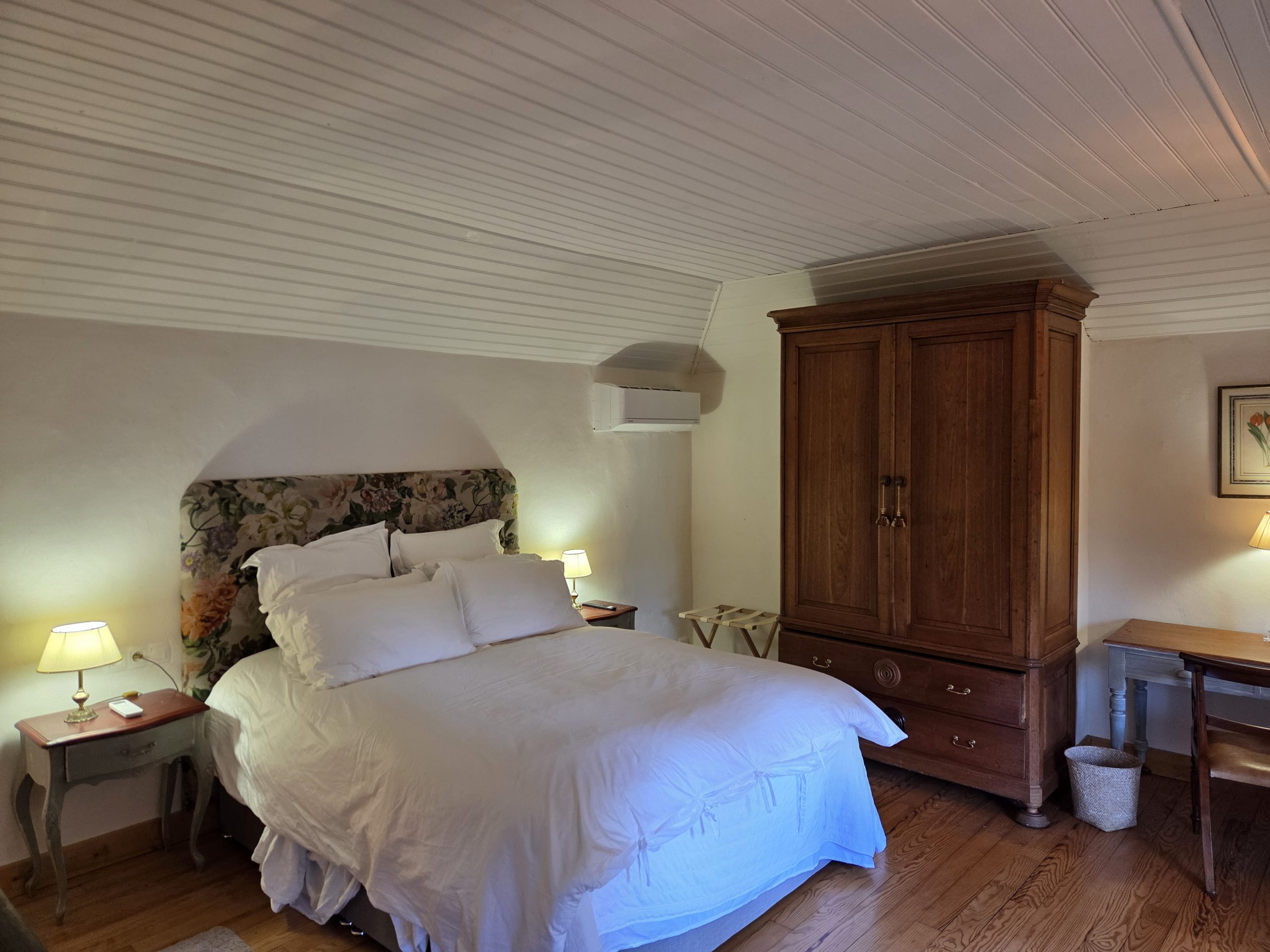
The carefully designed suites offer maximum space for personal comfort, thanks to cozy sofas, generous bathrooms and elegant sleeping areas with UK King-size or twin beds. Each of our unique guest rooms is fashioned with traditional colonial decor and rich color palette evocative of the local French heritage.
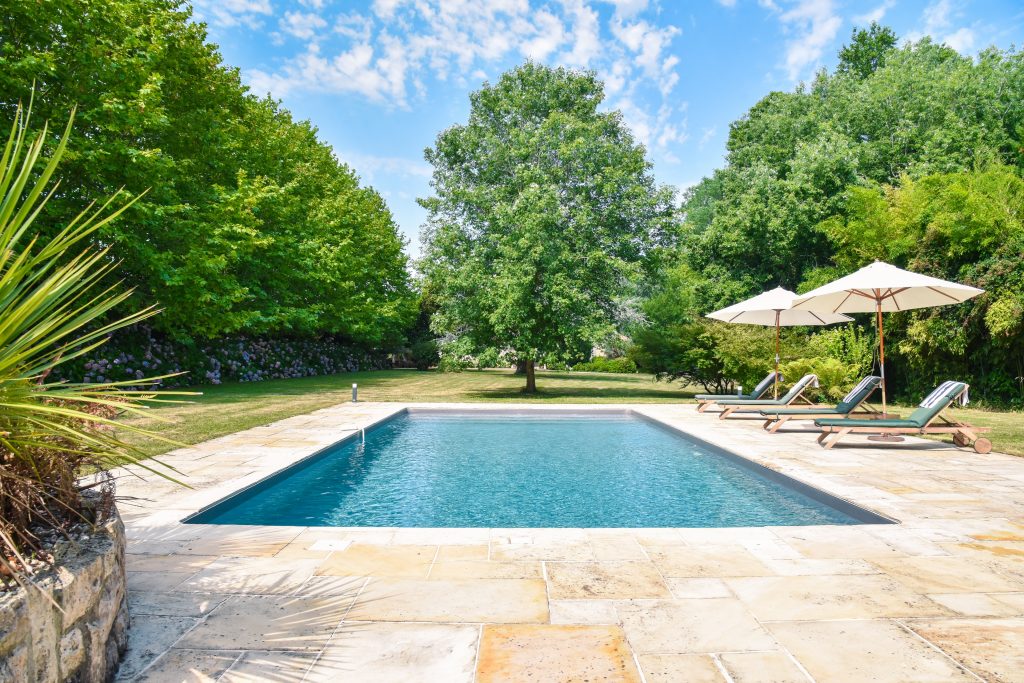
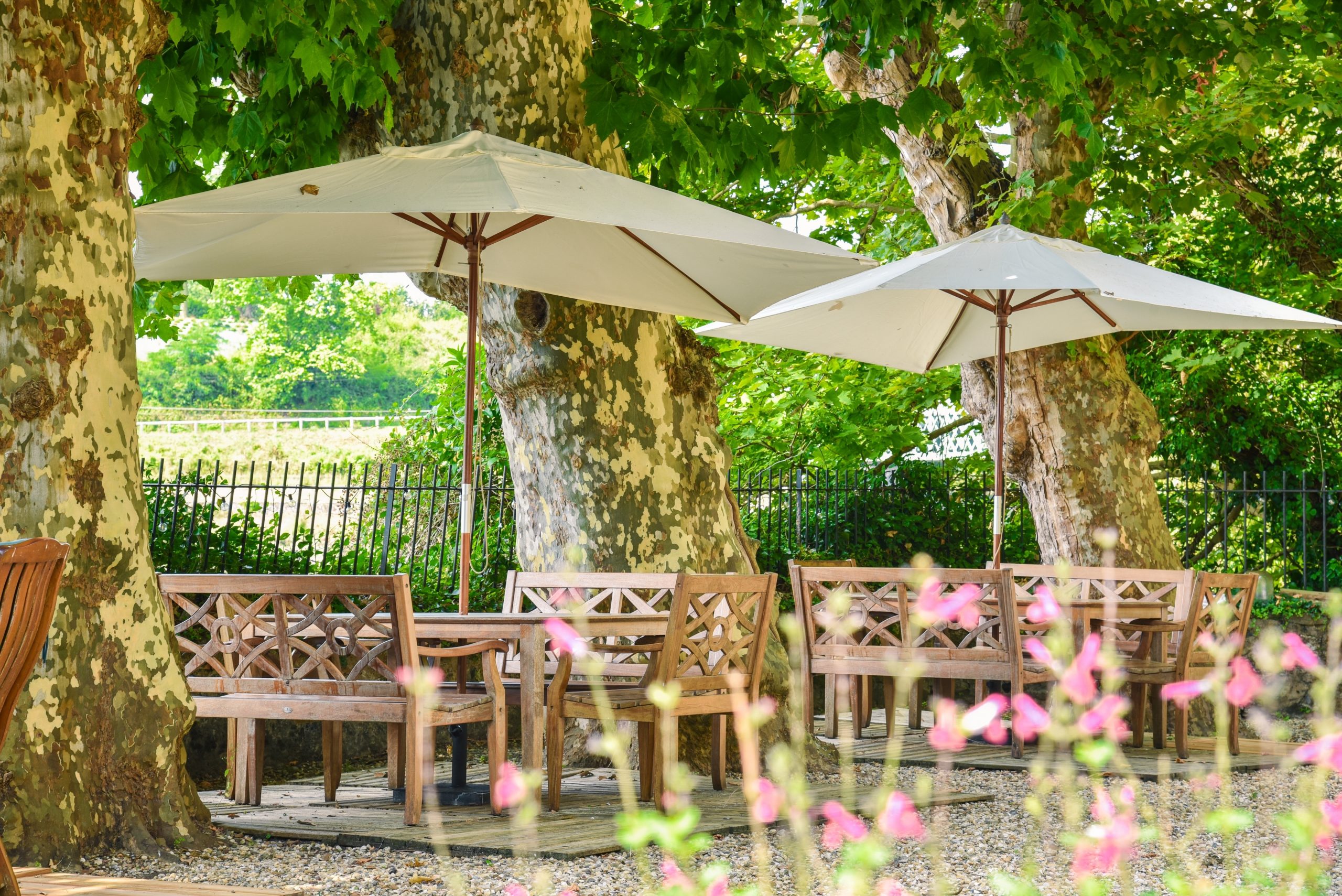
The outside terraces, furnished with tables and chairs, offer stunning views, with a choice of different panoramas including the river, gardens, swimming pool while enjoying our wonderful breakfasts or just reading your favourite book.
We offer 4 luxury rooms, each room is an outstanding example of romantic elegance, comfort and luxury. All rooms have en-suite shower, TV with Netflix, complimentary Wi-Fi, air conditioning/heating, 600 hundred thread count Egyptian linens, 900 grams towels, swimming pool towels, hair dryer, slippers and a very nice array of toiletries. You’ll find plenty of thoughtful touches such as home-made cookies, mineral water and local seasonal fruits to name a few.
The Lodge
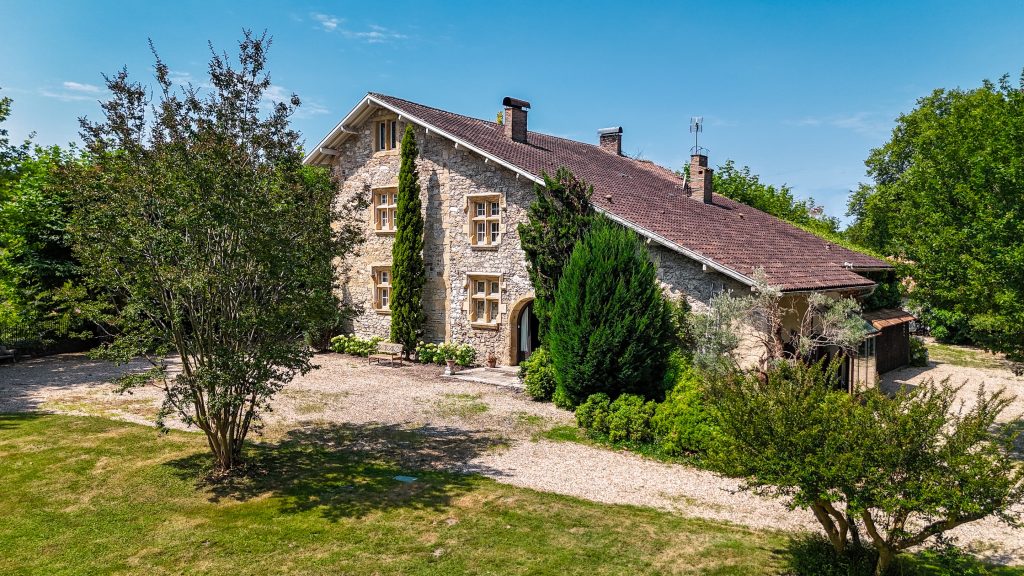
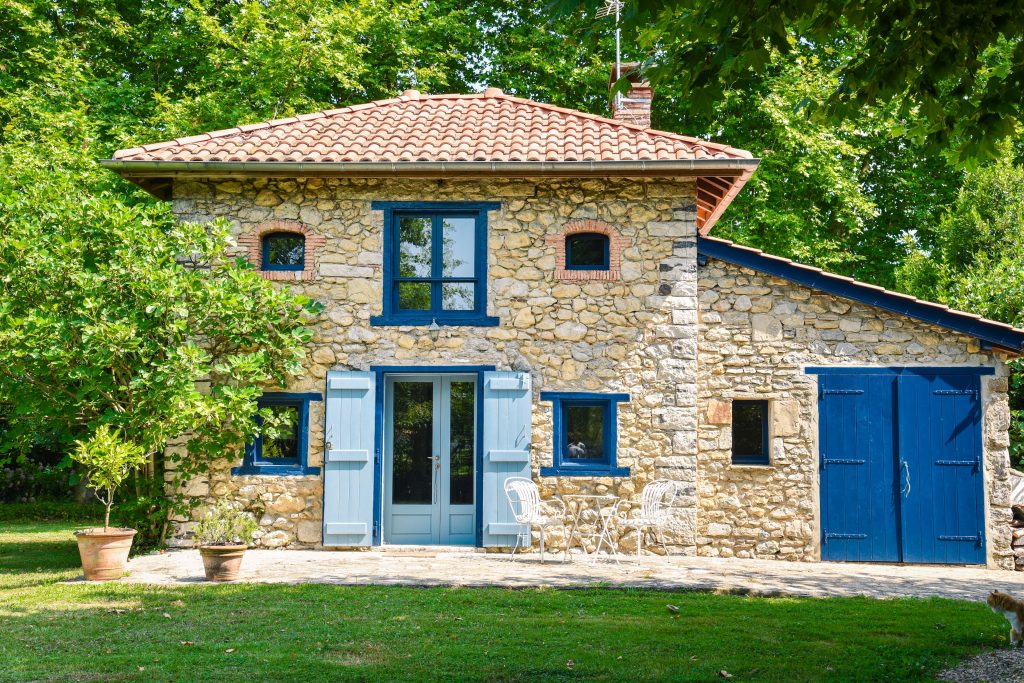
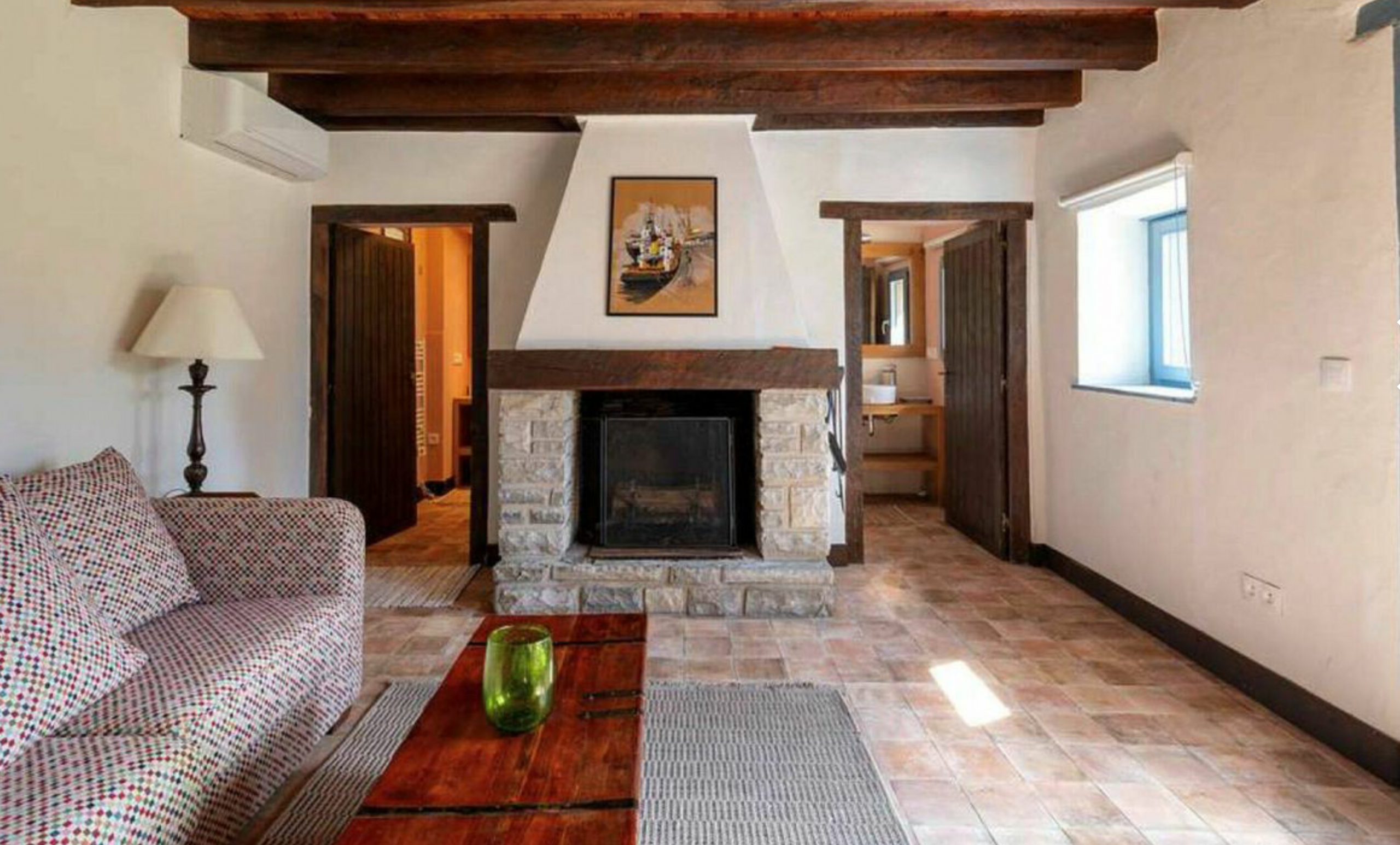
This all stone dwelling used to be a hunting lodge, which was added to the property when the river flow during the centuries moved the fort inland. It has 2 floors; downstairs is the salon with a lovely fireplace and adjacent bathroom with shower. Upstairs is the double bedroom with views of the Adour River.
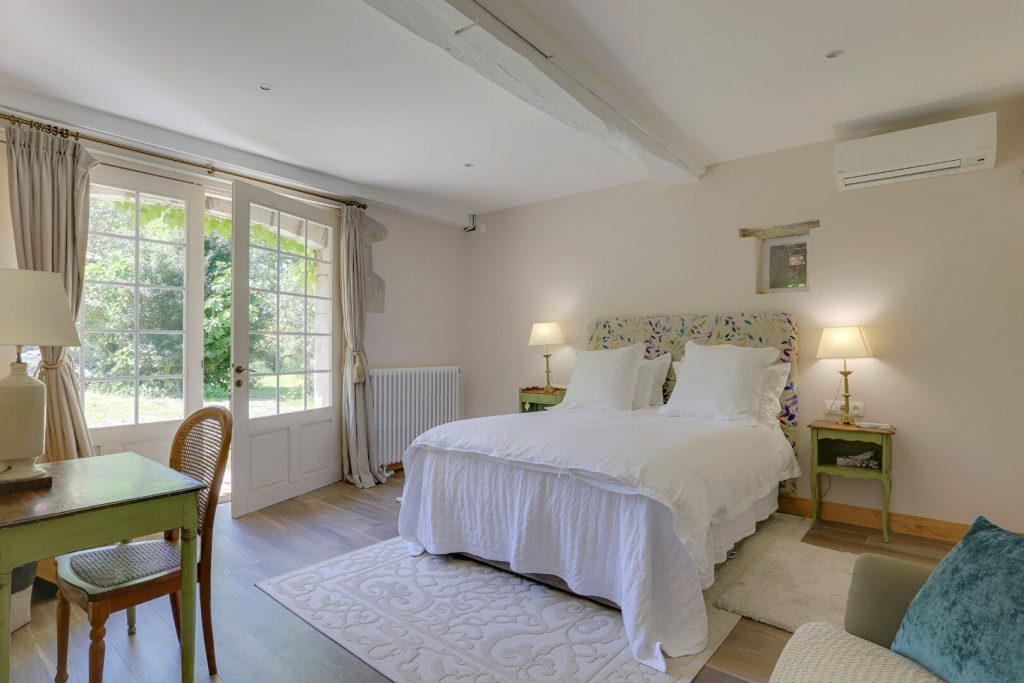
Suite 1892
This double room, attached to the main house, takes its name from when it was originally built and looks out on all the green and the beautiful gardens and the trees. Upstairs is a modern bathroom with shower.
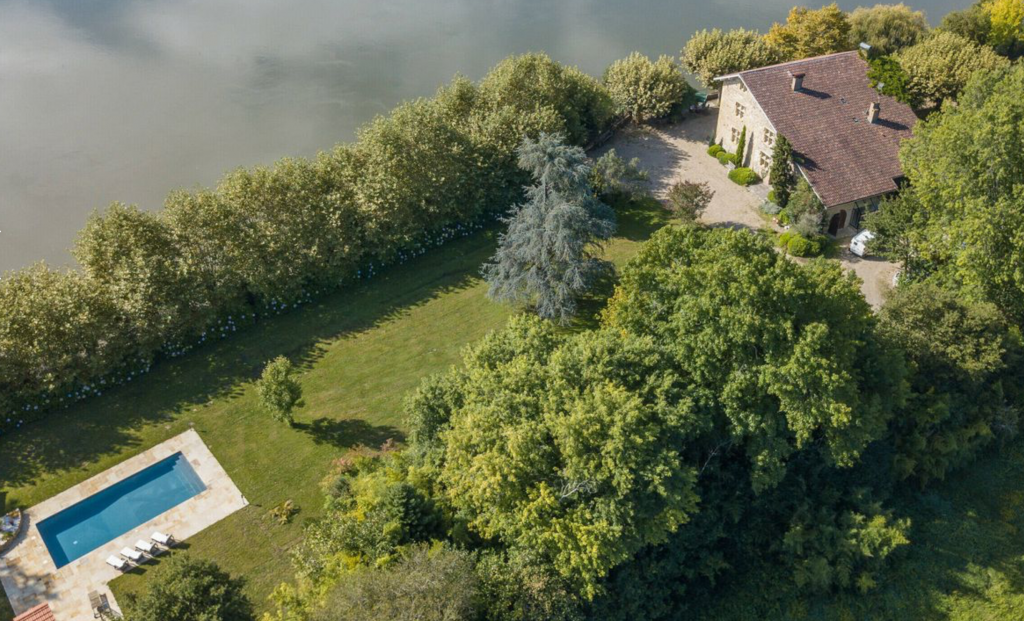
Fort de Pitres
Lieu dit Pitres, 2 Route de l’Europe 40390 St Laurent de Gosse, France
For information or to book a room please call: Tel: +33 6 77 22 96 20 or +44 800 707 4045 or write to: abockmeulen@mac.com. Se habla español
Things To Do
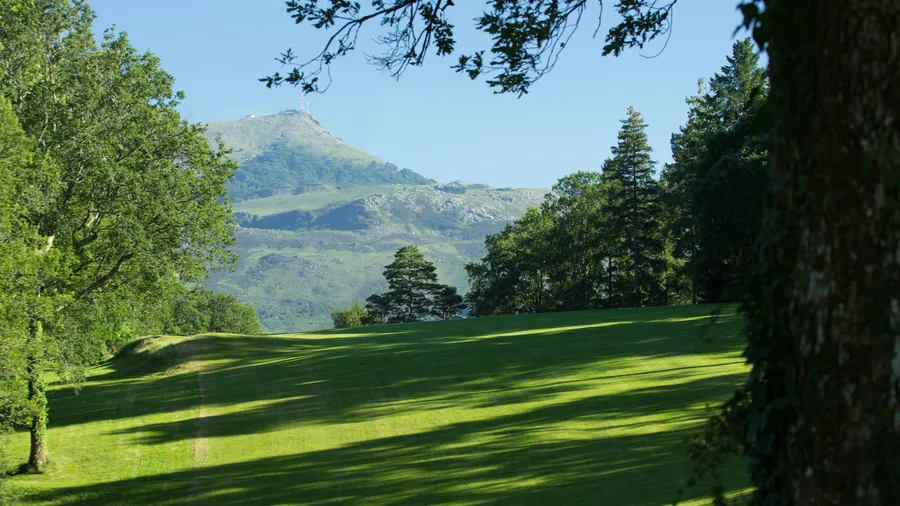
Golf
Chantaco The course lies just outside the little fishing town of St Jean de Luz, a short half an hour drive south of Biarritz, and it’s one of the most celebrated golfing layouts in the Basque region, largely through the charming ambiance both on and off the course that’s been cultivated over many years by its owners.
Seignosse A couple of kilometres inland from the Bay of Biscay lies one of France’s most beautiful and most challenging golf courses. Hidden in the forest amongst the Cork Oak and pine lies the stunning Seignosse.
La Nivelle A small, friendly Club with a quaint old course that even includes a disused quarry as a rather prominent hazard! A real local’s Club overlooking the lovely port of St. Jean de Luz, where you feel the warmth of the Basque sporting spirit.
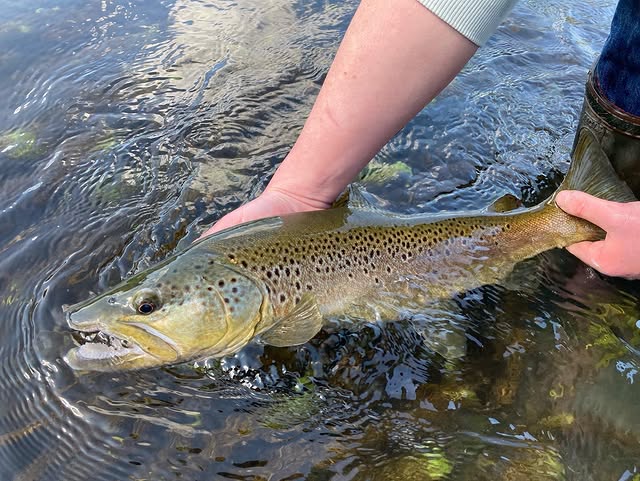
Fishing
The Landes department has 11,000 acres of lakes and ponds, 600km of streams and rivers of the first category and 150km of coastline on the Atlantic.
In the rivers you can fish for ‘goujons’, ‘ablettes’, ‘gardons’, carp, pike, eels, trout and silurs and for more experienced anglers there are also migrant species like ‘alose’, ‘lamproie’, salmon and mullets in season. Night fishing for carp and fly fishing are authorized at certain times of the year.
In the lakes, perch, tench, pike, black-bass and ‘sandre’ are common.
Sea Fishing from the shore Surf casting is practiced all along the coast, depending on the tides and swell as well as fishing for sole, sea bream, turbot and bar from the rocks and harbour walls.
Kayaking
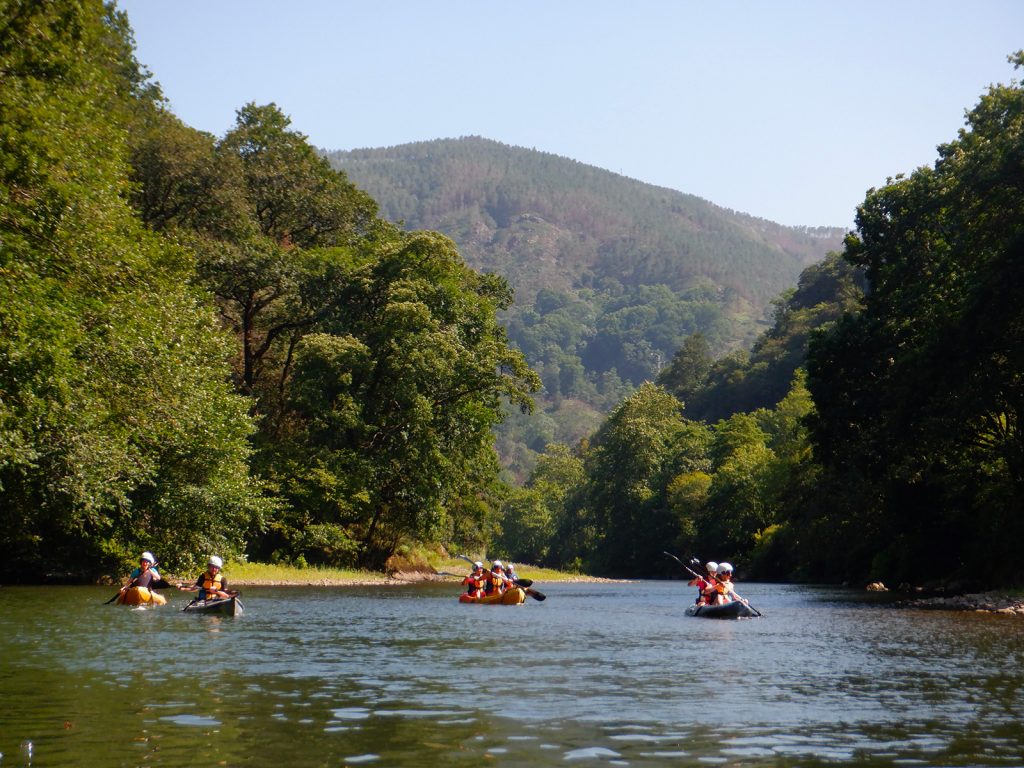
Enjoy the unexpected sites you will encounter while kayaking the Adour river and its tributaries, they form a fascinating and attractive cruising area, despite their isolation from the main waterway network.
Several tributaries of the Adour are also navigable for a short distance upstream from the confluence. The rivers are free-flow, free of commercial traffic and with very little to disturb the peaceful experience.
Sight-Seeing & Day Trips
Drive through the most beautiful towns and villages the Basque region can offer. You will encounter lots of markets nearby in Espelette, Sare, thermal baths in Cabo les Bains, shopping in Bayonne, Biarritz, St. Jean de Luz. Or you can venture into San Sebastián in Spain, a famed culinary city not to be missed
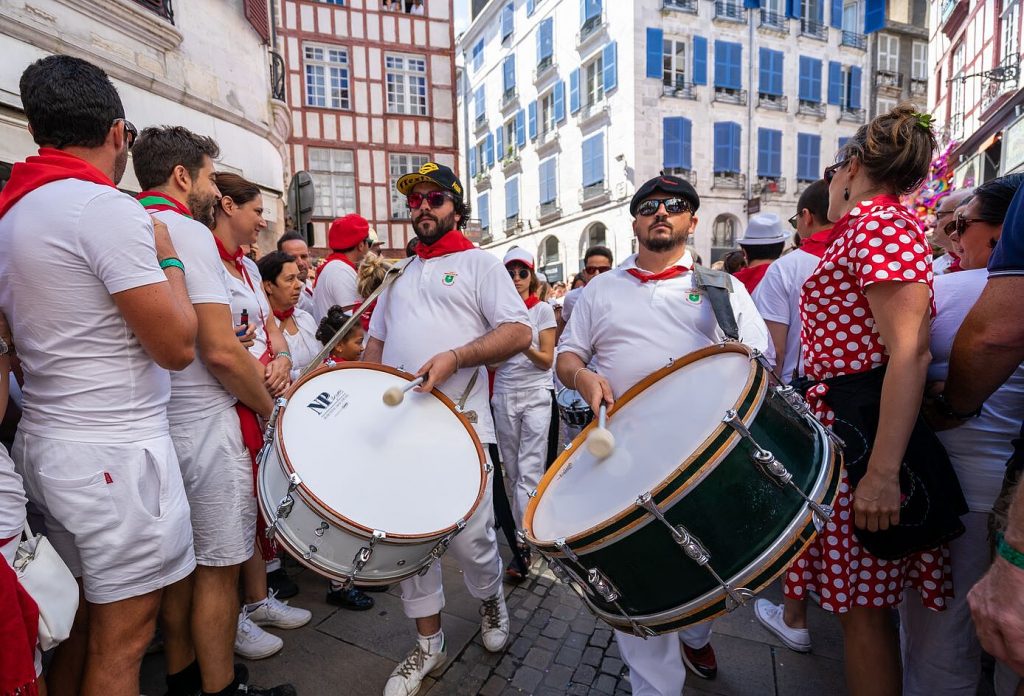
During the summer you will find plenty of festivals to visit including the famous Fêtes de Bayonne, a massive 5-day celebration featuring over a million revelers dressed entirely in white with red scarves and sashes.
For more information and to book a stay please contact Ana below:

“Overall, a standout experience. If you’re looking for a place that combines beauty, comfort and truly exceptional hospitality, this is it. I wouldn’t hesitate to come back”

Miguel BC, May 2026
Local Guide
About Fort de Pitres
Fort de Pitrès history dates back to the 14th century. According to oral tradition the Fort was built by the English Admiral “de Pitrès” when the region belonged to the Earl of Beaumont, a Navarrese lord under English rule. It was one of the fifteen forts around Guiche castle covering Bayonne which was under British rule at the time.
Located on the island of Pitrès at a strangulation of the branch of the river on the side of Landes which was progressively filled by the alluvium of the river Adour. Fort de Pitrès was able to control navigation on the Adour. Moreover, when the river flow is reversed (tidal) it was relatively easy to cross by ferry.
The “English Admiral” is Earl William (born 1312, fifth son of Humphrey, Earl of Hereford) who married Elizabeth of Badlesmere in 1335. William was created the 6th Earl of Northampton in 1337.
He was present at the battle of Sluys on 24 June 1340. He sailed to Brittany as King Edward III’s lieutenant in the summer of 1345. He fought in the First Division which was led by the Black Prince, at the battle of Crecy (26 August 1346) and participated in the Siege of Calais. He was invested Knight of the Garter in 1349. He took part in the victory over the Spanish fleet off Winchelsea (August 1350) and in October was made Warden of the Scottish Marshes. He was Admiral of the Fleet in the North. He was in Artois with Edward III (1355) and took part in the Expedition to France. William died the 6th of September 1360.
The county of Beaumont-le-Roger was granted by King Charles II “the Bad” of Navarre-Evreux in favour of his brother Infante Luis I of Navarre-Evreux who had married the Duchess Jeanne de Durazzo, sister-in-law of King Charles III of Naple “the Little”. His son Carlos I of Beaumont-le-Roger had married Anne Curten (Curton), Lady of Guiche (Guissens). He received in 1406 from King Henry IV of England certain rights to tolls on the river Adour. His son Louis II of Beaumont-le-Roger married Juana, illegitimate daughter of the King of Navarre, Carlos III (“the Noble”) who gave him the title of Count of Lerin. In turn King Henry VI of England raised to the rank of Count of the Lordship of Guiche (August 8, 1444), renewed or confirmed by King Charles IX of France in December 1563. It is thanks to this excellent relationship between the Navarrese Beaumonts and the Kings of England that they received the Fort de Pitrès on an Adour island in front of Urt.
The title of Count Beaumont-le-Roger was removed to the Navarrese Beaumont in 1378 by King Charles V of France (“the Wise”) in the context of the Hundred Years War because of the amicable agreements and collaboration between his brother-in-law Charles II of Navarre-Evreux and the kings of England.
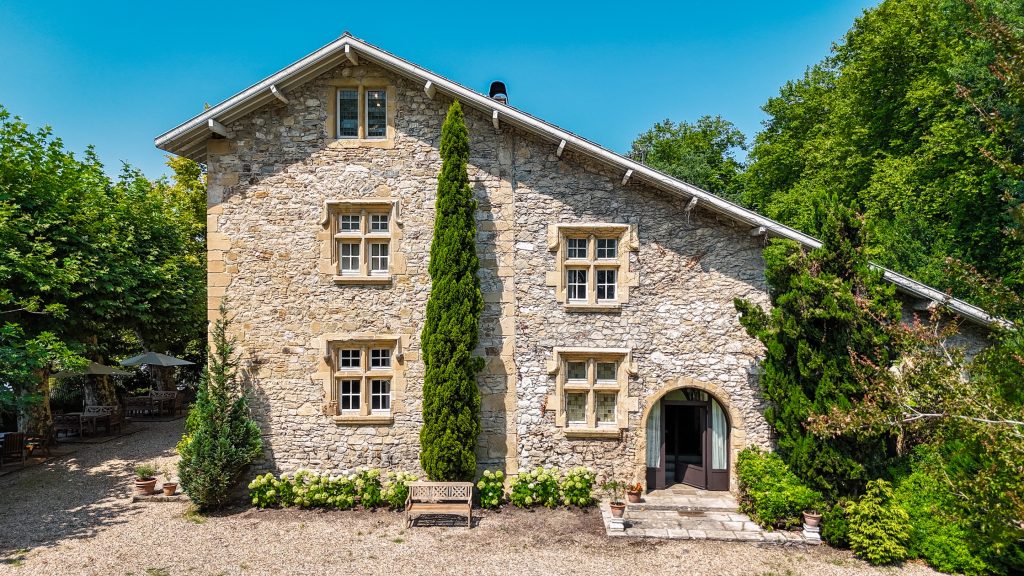
Guiche was captured by the armies of the King of France on December 15, 1449, and Pitrès surrendered the next day. Bayonne was taken on August 20, 1451. The region and probably Pitrès were ceded to the Gramont family in 1485. The oldest text in our possession which quotes Pitrès is an act of 24 September 1580 of the trustee of the Bayonne Chapter. At the time of the Renaissance, Fort de Pitrès was embellished with mullion windows, but successive conservators have preserved the loopholes on the 2nd floor and the watchtower located on the West facade which bear witness to its military origin.
The owners of Pitrès that we have been able to trace are:
- in 1580, Bernard de Cruchette, who was a master carpenter of ships
- in 1678, Bernard of Commarieu
- in 1680, Jean de Bruix
- in 1720, Jean-Louis de Rol Montpellier
Bayonne mayors have come from these last three families which proves both the noble nature of Fort de Pitrès and wealth that was derived from the exploitation of its land and the Bar. The oldest map where Pitrès is mentioned is the partition map of Saudan, April 10, 1639 between the Duke of Gramont, Bayonne and Urt. The domain of Pitrès was attached to the Chapter of Urt and the island of Pitrès is thus historically a Basque land. Since the French Revolution, Pitrès is administratively attached to the village of St Laurent de Gosse but remains on the religious plan attached to the village of Urt.